

Undertaking a home renovation or major remodel is both exciting and overwhelming. There are countless decisions to make, from choosing materials and layouts to coordinating multiple contractors. Without a clear plan, it’s easy to run into delays, unexpected costs, or damage to newly completed work.
Prioritizing upgrades and repairs strategically is key to maintaining efficiency, saving money, and achieving a smooth construction process. Certain systems, like roofing, plumbing, or HVAC, should always come first because they protect the home and influence other upgrades. Sequencing your work thoughtfully ensures that each contractor can complete their tasks without obstruction, and your investment in both labor and materials is safeguarded.
This guide provides a detailed roadmap for homeowners to determine the most efficient order for home improvements, from structural upgrades to interior finishes.
1. Begin With Structural Integrity and Exterior Protection

Before any interior or cosmetic work begins, ensuring the home’s structural integrity and protecting it from the elements is absolutely essential. A compromised roof or deteriorating exterior surfaces can result in water damage, mold growth, weakened structural supports, and even safety hazards for contractors and occupants. By addressing these critical issues first, homeowners prevent small problems from turning into costly setbacks during the renovation process.
Detailed Steps for Prioritizing Exterior and Roof Work:
-
Inspect for visible damage:
-
Examine shingles or tiles for cracks, curling, or missing pieces.
-
Look for sagging roof areas or signs of leaks inside ceilings and walls.
-
Check roof valleys and edges for debris buildup, which can trap water and accelerate deterioration.
-
-
Check flashing, vents, and roof penetrations:
-
Flashing around chimneys, skylights, and roof intersections should be watertight.
-
Vents should be free of blockages; trapped moisture can lead to wood rot, mold growth, and insulation damage.
-
Verify that all penetrations are sealed and that underlayment is intact to prevent leaks during heavy rain.
-
-
Assess attic and structural supports:
-
Inspect rafters, joists, and trusses for warping, rot, or insect damage.
-
Look for signs of sagging or unusual gaps that indicate compromised load-bearing capacity.
-
Addressing these issues early ensures that the roof can support additional weight from potential solar panels, HVAC units, or snow loads.
-
-
Evaluate drainage and water management systems:
-
Clear gutters and downspouts to ensure water is directed away from the foundation.
-
Check for pooling or erosion near the home’s base, which could undermine structural stability.
-
Consider temporary water diversion systems during renovations to protect new or exposed surfaces.
-
Benefits of Hiring Professional Roofing Contractors Early:
-
Experienced roofing companies and local roofing services can identify hidden issues that aren’t apparent during a visual inspection.
-
Timely repairs or full replacements protect interior work, including drywall, insulation, and flooring, from water intrusion.
-
Contractors can advise on material upgrades, slope adjustments, or ventilation improvements to enhance the roof’s longevity.
-
Professional teams often provide warranties and insurance coverage, offering peace of mind during a complex renovation.
Why This Step Should Come First:
Starting with roofing and exterior structural work sets a solid foundation for the entire renovation. Once these critical systems are stabilized:
-
Interior contractors can work without risk of water damage or structural compromise.
-
Other trades, such as flooring companies, kitchen contractors, and painters, can proceed efficiently.
-
Homeowners reduce the likelihood of unexpected expenses and delays caused by emergency repairs.
By prioritizing structural integrity and roof protection, the home is safeguarded, and subsequent renovations can be executed in a logical, stress-free sequence. Addressing these elements early is a proactive investment in both safety and efficiency, ensuring the remodeled home remains durable, functional, and protected against environmental challenges.
2. Address Trees and Outdoor Obstructions Early

Trees and landscaping play a more significant role in a renovation than many homeowners realize. Overgrown branches, unstable trunks, or invasive root systems can interfere with construction access, compromise exterior work, and even pose serious safety risks for workers. By addressing these issues before any major construction begins, you can prevent delays, protect structures, and streamline the entire remodeling process.
Detailed Considerations for Exterior Tree Management:
-
Evaluate which trees need removal versus trimming:
-
Not every tree requires full removal; some can be pruned safely to maintain shade, curb appeal, and ecological value.
-
Identify trees that pose structural risks, such as those with rotting trunks, leaning angles, or extensive root systems that threaten foundations or driveways.
-
Consult a professional arborist or local tree removal service to create a prioritized plan for trimming versus removal.
-
-
Schedule work before major construction:
-
Timing is crucial. Removing or pruning trees early prevents damage to roofing projects, siding, or exterior finishes.
-
Early tree management allows heavy equipment, scaffolding, and material deliveries to access the property safely without obstruction.
-
Coordinate tree work with contractors to minimize conflicts with other trades like roofing, paving, or landscaping.
-
-
Protect structures and utilities:
-
Proper planning ensures that tree removal or pruning doesn’t damage the roof, driveway, fences, or underground utilities.
-
Temporary barriers or protective coverings may be needed to shield vulnerable areas during removal.
-
Confirm that the tree service is licensed and insured to manage potential property damage and worker safety.
-
Benefits of Prioritizing Tree Removal Early:
-
Reduces risk of structural damage: Trees can fall or drop branches during storms or construction, potentially harming roofs, siding, or windows. Early removal mitigates these hazards.
-
Creates clear access for contractors: Open pathways make it easier for roofing companies, HVAC contractors, and other trades to move materials and equipment efficiently.
-
Enhances safety for workers and homeowners: Eliminating hazardous trees minimizes the risk of accidents, protecting everyone on site.
-
Protects landscaping investment: Controlled removal or pruning preserves desirable trees and vegetation, maintaining curb appeal while making room for renovations.
Starting with tree management sets the tone for a safe and organized renovation site. By resolving outdoor obstructions before interior or exterior projects begin, homeowners prevent last-minute delays and reduce the risk of damage to both the property and the new improvements. Proper planning with a local tree removal professional ensures that trees are addressed strategically, supporting a smooth and efficient remodel.
3. Evaluate Plumbing and Well Systems Next
A reliable water supply and properly functioning plumbing infrastructure are critical to any successful home remodel. Neglecting to address issues such as leaks, aging pipes, or an underperforming well system can jeopardize newly installed finishes, including flooring, cabinetry, and drywall. Early evaluation of plumbing and well systems ensures that construction proceeds smoothly without interruptions or costly rework.
Detailed Steps for Plumbing and Well System Evaluation:
-
Inspect pipes and fixtures:
-
Check for visible leaks, corrosion, or signs of wear in supply lines, drainpipes, and fittings.
-
Examine areas that are prone to water damage, such as under sinks, behind toilets, and around water heaters.
-
Identify outdated materials, such as galvanized steel or lead pipes, which may require replacement to meet modern standards.
-
-
Check water pressure and flow:
-
Test every fixture, including sinks, showers, and appliances, for consistent water delivery.
-
Look for slow drainage, low pressure, or uneven flow, which may indicate blockages or compromised pipes.
-
Evaluate whether the system can handle simultaneous usage, especially if renovations will include multiple bathrooms or kitchens.
-
-
Examine the well system:
-
Engage professional well system services to assess pumps, filtration units, and water quality.
-
Ensure that the well delivers adequate flow and pressure for the household’s needs.
-
Address upgrades, repairs, or replacements before interior finishes are installed, preventing future damage to walls, flooring, or cabinetry.
-
-
Coordinate with other contractors:
-
Plumbing and well system work should align with electrical, HVAC, and kitchen projects to prevent conflicts.
-
Early scheduling allows for trenching, rerouting, or installing new lines without disrupting completed work.
-
Benefits of Early Plumbing and Well System Upgrades:
-
Prevents water damage: Early detection and repair of leaks protect floors, drywall, cabinetry, and insulation from costly moisture damage.
-
Ensures reliable service: Properly functioning plumbing and well systems guarantee consistent water supply for bathrooms, kitchens, and laundry areas throughout the renovation.
-
Reduces emergency repairs: Addressing issues ahead of time minimizes the risk of unexpected failures that could halt construction or damage completed work.
-
Improves system efficiency: Upgrading outdated pipes, pumps, or filtration enhances overall water quality, reduces utility costs, and supports modern appliances and fixtures.
By tackling plumbing and well system concerns early, homeowners establish a stable foundation for all interior work. This proactive approach ensures that essential systems are fully operational, prevents damage to new materials, and allows other trades—like flooring companies, kitchen contractors, or painters—to work without disruption. Early attention to these critical systems safeguards both the renovation timeline and the long-term functionality of the home.
4. Prioritize Electrical Systems Early
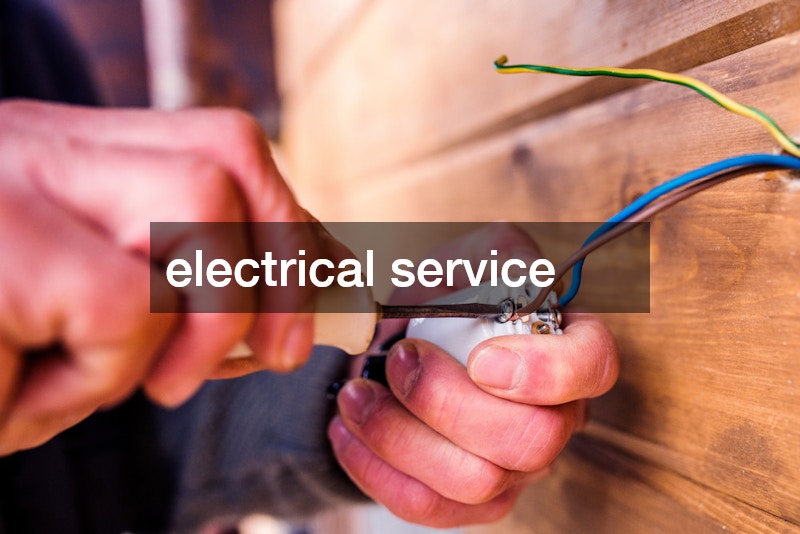
Electrical work should be completed before drywall, flooring, and interior finishes. Modern renovations often require upgrades to panels, wiring, outlets, and lighting, making early scheduling essential.
Steps to optimize electrical upgrades:
-
Assess existing wiring: Identify outdated, damaged, or insufficient wiring.
-
Plan for additional circuits: New kitchens, bathrooms, or home offices may require extra electrical capacity.
-
Hire professional electrical service: Licensed electricians ensure compliance with local codes and safety standards.
Benefits of early electrical work:
-
Avoids reopening finished walls or floors for new wiring.
-
Ensures safety and reduces fire risk.
-
Provides adequate capacity for future appliances, HVAC systems, and lighting upgrades.
Completing electrical upgrades at this stage allows all other interior work to proceed smoothly and safely.
5. Plan HVAC and Climate Control Systems Before Interior Finishes
Heating, ventilation, and air conditioning systems play a major role in comfort and energy efficiency. Upgrading or repairing HVAC early in a remodel protects interior finishes and ensures systems are fully integrated into the home.
Steps for effective HVAC planning:
-
Inspect existing units: Determine whether air conditioning repairs or full replacement is required.
-
Engage professional services: Experienced HVAC contractors can evaluate ductwork, system sizing, and airflow.
-
Coordinate with other trades: Ensure HVAC placement does not conflict with electrical, plumbing, or structural updates.
-
Plan for energy efficiency: Consider multi-zone systems, high-efficiency units, or smart thermostats.
Benefits of addressing HVAC early:
-
Protects flooring, drywall, and paint from damage during ductwork or unit installation.
-
Enhances worker comfort during construction.
-
Improves overall energy efficiency when combined with insulation and window upgrades.
Prioritizing HVAC ensures a fully functional climate control system before finishing work, preventing costly adjustments or damage later.
6. Schedule Furnace Repairs and Heating System Upgrades
Reliable heating is essential for comfort and safety, particularly in colder climates or during winter renovations. Scheduling furnace repairs early in the remodel prevents last-minute disruptions.
Steps to prioritize furnace and heating upgrades:
-
Inspect furnace components: Look for worn parts, poor airflow, or inconsistent heating.
-
Coordinate with HVAC upgrades: Integrate furnace repairs with ductwork and AC system updates for a seamless system.
-
Schedule repairs before finishes: Ensure that flooring, drywall, and cabinetry are protected from installation debris.
Benefits of early furnace work:
-
Ensures safe and efficient heating throughout the renovation.
-
Reduces future maintenance costs.
-
Protects newly installed materials from potential damage during system upgrades.
Completing furnace repairs at this stage ensures consistent climate control during construction and throughout the remodeled home.
7. Upgrade Kitchens Early in the Interior Sequence
Kitchens are central to home functionality and value, so working with kitchen contractors early ensures proper coordination with plumbing, electrical, and HVAC systems.
Steps for effective kitchen renovation sequencing:
-
Plan layouts carefully: Consider the placement of appliances, sinks, and cabinets.
-
Coordinate utility connections: Ensure plumbing, electrical, and HVAC systems align with kitchen needs.
-
Select materials in advance: Flooring, cabinetry, and countertops should be chosen with other trades in mind.
Benefits of early kitchen upgrades:
-
Avoids conflicts with flooring, painting, and cabinetry installation.
-
Reduces risk of costly rework due to utility adjustments.
-
Ensures efficient workflow and timeline for other interior projects.
Addressing the kitchen early guarantees that the heart of the home is functional and integrated with other systems.
8. Plan Flooring Installation After Core Systems Are Complete

Flooring should be installed only after structural, plumbing, HVAC, electrical, and kitchen systems are in place. This prevents damage from heavy equipment or dust and debris.
Steps for coordinating flooring installation:
-
Prepare surfaces: Ensure subfloors are level and free of debris.
-
Work with flooring companies: Schedule installation to align with cabinetry, painting, and final interior finishes.
-
Protect materials: Use temporary coverings if other work must continue after flooring is installed.
Benefits of prioritizing flooring late in the sequence:
-
Preserves the quality and appearance of new floors.
-
Avoids scratches, dents, or staining from other trades.
-
Ensures smooth integration with cabinetry and trim work.
Proper flooring installation sequencing protects one of the most expensive and visible components of a remodel.
9. Coordinate Exterior Finishes and Energy Efficiency Upgrades
-
After roofing, tree removal, HVAC, and windows are complete, focus on exterior siding, trim, paint, and insulation.
-
Ensure all exterior work complements prior upgrades for water protection, energy efficiency, and curb appeal.
-
Benefits include reduced moisture intrusion, increased property value, and optimized energy performance.
10. Final Inspections, Maintenance Planning, and Preventive Upgrades
-
Conduct a comprehensive post-renovation walkthrough covering HVAC, plumbing, electrical, roofing, and kitchen systems.
-
Schedule ongoing preventive maintenance with trusted contractors.
-
Keep a record of warranties, service histories, and manuals for all major systems.
-
Benefits: extends the lifespan of upgrades, ensures efficiency, and protects your investment.
Prioritizing home upgrades strategically ensures that renovations involving flooring companies, kitchen contractors, well system services, roofing companies, HVAC contractors, ac services, local tree removal, local roofing services, electrical service, and furnace repairs proceed smoothly, safely, and efficiently. By sequencing structural, plumbing, HVAC, electrical, and interior systems correctly, homeowners reduce costs, prevent delays, and protect new finishes. A thoughtful approach to contractor scheduling, early system assessments, and preventive maintenance maximizes both the functionality and long-term value of your remodel. Following these guidelines allows you to enjoy a well-organized renovation with minimal stress and optimal results.