
Renovating a home’s exterior can be both exciting and stressful. From roofing upgrades to landscaping improvements, construction activity puts significant strain on your home’s critical systems. Without careful planning, projects can inadvertently damage roofs, plumbing, HVAC systems, or outdoor features, resulting in costly repairs and delays.
Proactive preparation and strategic coordination allow homeowners to protect these systems while completing renovations efficiently. This involves careful scheduling, contractor collaboration, and preventive maintenance. By anticipating potential risks and implementing protective measures, you can maintain functionality, safeguard investments, and enjoy a smoother renovation experience.
1. Conducting a Thorough Pre-Renovation Home Assessment
A comprehensive pre-renovation home assessment is the foundation of a successful exterior remodeling project. This step goes far beyond a superficial visual inspection; it involves a detailed evaluation of all structural, mechanical, and outdoor systems to identify vulnerabilities that could be worsened during construction. By establishing a clear baseline of your home’s current condition, homeowners and contractors can plan renovations efficiently, avoid unexpected complications, and protect critical systems throughout the process.
Key steps for a thorough inspection:
-
Roof and structural evaluation: Start with a meticulous examination of the roof. Look for missing, curling, or cracked shingles, damaged flashing around vents or chimneys, and any sagging areas that could indicate weakened support. Check gutters for proper alignment and signs of blockage that could lead to water damage. Inside the home, inspect the attic for water stains, mold, or insulation issues that may signal roof leaks. Evaluate the foundation, load-bearing walls, exterior siding, and support beams for cracks, bowing, or other structural stress indicators. Early identification of structural weaknesses prevents more significant damage as construction equipment or materials are moved near or on these areas.
-
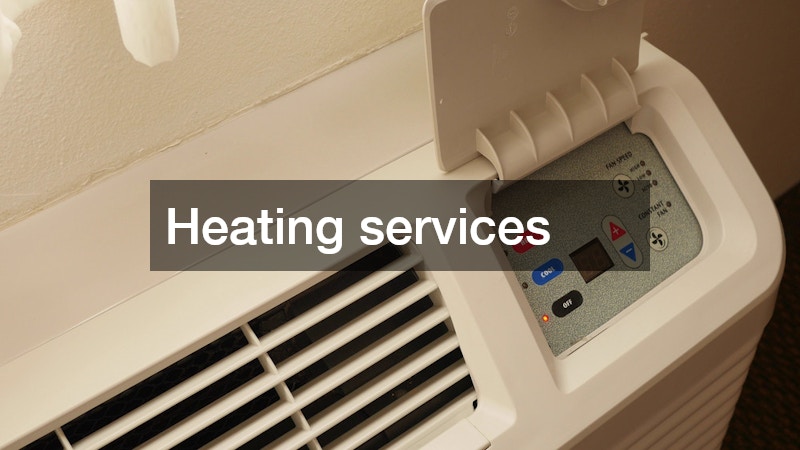
Plumbing and HVAC assessment: Plumbing and HVAC systems are particularly susceptible to accidental damage during renovations. Inspect all pipes, valves, drains, and fixtures for leaks, corrosion, or outdated components. Water heaters should be checked for age, efficiency, and signs of wear that could necessitate early replacement. Similarly, HVAC units, ductwork, and vents should be assessed for proper operation and potential vulnerabilities to dust, debris, or mechanical stress. Scheduling any necessary repairs with a local plumber or Heating services provider before construction begins minimizes the risk of emergencies that could delay the renovation timeline.
-
Evaluation of outdoor features: Exterior elements such as fences, driveways, patios, and landscaping are also at risk during renovations. Examine fences for weak posts, rotting sections, or loose panels. Check driveways and paved areas for cracks, uneven surfaces, or drainage issues. Assess patios and landscaped zones for potential interference with heavy equipment or material staging. This early evaluation allows homeowners to implement protective measures, such as temporary barriers or reinforcement, to prevent accidental damage.
-
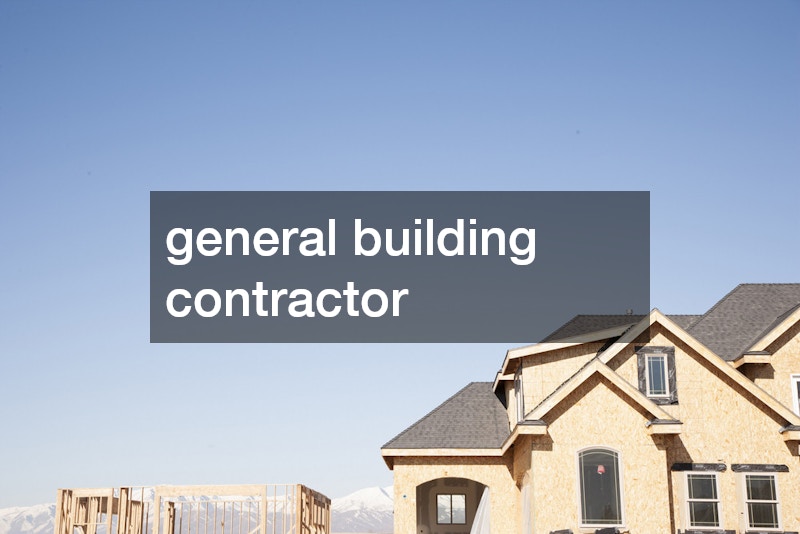
Professional guidance and coordination: Engaging a general building contractor ensures a holistic assessment that identifies interdependencies between systems. They can highlight how roofing, plumbing, HVAC, and landscaping tasks might affect one another and suggest a logical sequence for completing work. In addition, a home improvement company can provide specialized insights for managing exterior renovations, such as integrating roof repairs with siding or coordinating HVAC protection with roofing and outdoor construction. Collaboration with professionals ensures all aspects of the home are evaluated comprehensively and that risk mitigation strategies are effectively implemented.
-
Documentation and record-keeping: Maintaining thorough documentation is critical for tracking changes and verifying that systems remain intact throughout construction. Take high-resolution photographs of all inspected areas, noting any existing damage or vulnerabilities. Record detailed notes describing the condition of roofing materials, plumbing fixtures, HVAC units, and outdoor features. This documentation serves as a reference for contractors to plan work, for insurance purposes in case of accidental damage, and for homeowners to monitor progress and identify any new issues promptly.
-
Prioritizing repairs and planning sequencing: By completing a pre-renovation assessment, homeowners can prioritize urgent repairs and schedule work in an order that minimizes risk. For example, addressing minor roof leaks before landscaping or paving prevents water damage from occurring once the area is under construction. Similarly, identifying weak fencing before heavy equipment is moved into place avoids costly replacement. Proper sequencing ensures that one system’s work does not interfere with another and that minor issues are addressed before they escalate into larger, more expensive problems.
A detailed pre-renovation home assessment is essential for protecting both structural and mechanical systems. It provides clarity, enables informed decision-making, and allows contractors to execute their work efficiently while minimizing risk. This proactive approach lays the groundwork for a smooth, coordinated, and successful renovation that maintains the integrity of the home throughout the construction process.
2. Planning Roof Work Before Heavy Exterior Tasks
Roofing is among the most vulnerable areas during exterior renovations. Scaffolding, cranes, and heavy materials can easily compromise weak roof sections, leading to leaks or structural damage. Planning repairs or replacements in advance protects the home and allows other trades to work without interference.
Effective roof management strategies:
-
Schedule early: Complete any roof installation or roof replacements before major interior or exterior projects. This prevents conflicts with landscaping, paving, or painting.
-
Professional evaluation: Hire a professional roofer to inspect the existing roof and recommend necessary repairs or reinforcements.
-
Coordinate HVAC and heating systems: If roofing work affects venting or units near the roofline, integrate Heating services to ensure HVAC functionality is maintained.
-
Protective measures: Use tarps or temporary shielding to prevent debris from scratching or puncturing the roof.
-
Access management: Clearly define which areas are safe for contractor movement to prevent accidental damage.
Early planning of roofing tasks safeguards structural integrity and provides a reliable protective layer for your home throughout the renovation.
3. Protecting HVAC and AC Systems During Renovation
HVAC systems are critical for comfort and indoor air quality but are highly sensitive to dust, debris, and accidental damage during remodeling. Protecting these systems is essential to prevent costly repairs and interruptions.
Key considerations:
-
System inspection: Check air conditioning and heating units for leaks, wear, or malfunctioning components before construction begins.
-
Preventive maintenance: Schedule AC repairs and general system checks to ensure optimal performance during construction.
-
Heating support: Engage Heating services to maintain safe operation, particularly if units are exposed to construction dust or vibration.
-
Debris protection: Cover vents and units with temporary shields to prevent dust or materials from entering the system.
-
Monitoring: Periodically check system function throughout construction to detect potential issues early.
Proper HVAC management ensures uninterrupted climate control and protects system longevity during renovations.
4. Safeguarding Plumbing Infrastructure
Plumbing systems are often overlooked during exterior renovations, but they are highly vulnerable to damage from excavation, demolition, or landscaping. Protecting pipes, drains, and fixtures prevents leaks and water damage that can halt a project.
Strategies for plumbing protection:
-
Pipe mapping: Identify all water supply lines, drains, and fixtures to avoid accidental punctures or disconnections.
-
Professional inspection: Engage a local plumber to assess leaks, corrosion, or aging pipes. Addressing these issues before construction reduces emergency repairs.
-
Coordination with contractors: Work closely with a general building contractor to ensure plumbing is protected during heavy equipment movement, tree removal, or paving.
-
Temporary shutoffs: Plan water shutoffs during high-risk phases to prevent flooding or water damage.
-
Post-construction checks: Inspect plumbing systems after heavy exterior work to ensure no damage occurred.
By safeguarding plumbing infrastructure, homeowners prevent costly emergencies and maintain the integrity of critical home systems.
5. Managing Tree and Vegetation Work

Trees and vegetation can complicate exterior renovations, especially if roots interfere with plumbing or driveways, or if branches obstruct construction activities. Proper management prevents property damage and ensures safety.
Best practices:
-
Assess tree health: Identify trees that require trimming or removal before construction begins.
-
Schedule early removal: Perform tree removal to prevent root damage to underground plumbing or asphalt surfaces.
-
Landscape protection: Hire landscaping contractors to shield existing plants, maintain grading, and manage soil erosion.
-
Temporary barriers: Use fencing or protective zones around sensitive areas to prevent accidental damage during work.
-
Ongoing monitoring: Check trees and plantings periodically during construction to ensure protection measures remain effective.
Managing trees and vegetation effectively reduces risk to both natural features and home systems during exterior renovations.
6. Maintaining Driveways, Patios, and Asphalt Surfaces
Driveways, walkways, and patios are often exposed to heavy construction traffic, which can cause cracks or uneven surfaces if not properly protected.
Key steps for surface maintenance:
-
Initial assessment: Evaluate existing asphalt or paved surfaces for weak points before remodeling begins.
-
Repair prior to construction: Engage an asphalt company to fix cracks, potholes, or worn areas to prevent further damage.
-
Coordinate with landscaping: Work with landscaping contractors to protect adjacent garden beds and prevent grading issues that could affect paved areas.
-
Temporary protection: Use plywood or heavy-duty mats to shield surfaces from heavy equipment or material delivery.
-
Final inspection: After construction, inspect driveways and patios for incidental damage and schedule any necessary touch-ups.
Protecting paved surfaces ensures safe access for contractors and prevents costly repairs after the renovation is complete.
7. Preserving Fences and Boundary Features

Fences define property boundaries but can be damaged by heavy equipment, materials, or construction traffic. Maintaining fence integrity is essential for both safety and aesthetics.
Strategies for fence protection:
-
Pre-construction inspection: Check for weak posts, rot, or damaged panels.
-
Professional repairs: Hire fence companies to reinforce or repair sections before construction begins.
-
Coordinate with contractors: Work with the home improvement company overseeing the project to plan equipment staging and material storage away from fence lines.
-
Temporary barriers: Use signs or protective barriers to prevent accidental impacts during construction.
-
Post-renovation review: Inspect fences after work is complete to address minor damage before it becomes significant.
Preserving fences ensures property security, protects landscaping investments, and prevents unexpected repair costs.
8. Sequencing Work to Avoid Conflicts
With multiple trades on site, scheduling is critical to prevent system damage, delays, or workflow conflicts. Proper sequencing ensures that each trade can work efficiently without interfering with others.
Effective sequencing practices:
-
Develop a timeline: Outline the order of work for roofing, plumbing, HVAC, landscaping, paving, and fencing.
-
Roofing guidance: Consult a professional roofer to determine sensitive areas and ideal timing for roof inspections or installations.
-
Contractor coordination: Engage a general building contractor to align schedules across trades, preventing overlaps that could damage existing systems.
-
Communication protocols: Establish a single point of contact for all trades to report issues, verify task completion, and manage dependencies.
-
Adjust for weather: Schedule exterior tasks like paving and roofing during favorable conditions to minimize delays.
Sequencing reduces risk, protects systems, and keeps the project on track.
9. Protecting Indoor and Outdoor Systems from Construction Debris
Construction debris can infiltrate HVAC units and plumbing, causing system malfunctions or blockages. Proactive measures help maintain system functionality throughout the renovation.
Preventive strategies:
-
Seal work areas: Use plastic sheeting or temporary walls to contain dust and debris.
-
HVAC protection: Schedule AC repairs or maintenance to ensure units remain operational during high-dust activities.
-
Plumbing monitoring: Have a local plumber inspect water lines and drains if excavation or heavy construction occurs near utility areas.
-
Filter replacement: Regularly change HVAC filters during construction to maintain air quality.
-
Ongoing inspections: Periodically check indoor systems to detect early signs of damage or clogging.
Maintaining clean and operational systems prevents emergency repairs and ensures comfort during the remodeling process.
10. Post-Renovation System Checks and Maintenance
After the renovation, it’s essential to verify the condition of all systems and address any incidental damage.
Final checks:
-
Roof inspection: Hire a professional roofer to assess new or repaired roofing, ensuring proper installation and no damage from construction activity.
-
Paved surfaces: Engage an asphalt company to repair minor cracks or abrasions that occurred during the renovation.
-
HVAC and plumbing review: Confirm HVAC and water systems are fully operational and free of leaks.
-
Fence and landscaping review: Inspect all boundary and landscaping features to ensure they are intact and functioning as intended.
-
Maintenance plan: Establish a schedule for routine checks and preventive maintenance to preserve the longevity of systems and outdoor features.
Post-renovation evaluations protect your investment, maintain home functionality, and provide peace of mind.
Renovating key exterior features places unique demands on your home’s systems. From roofing and HVAC to plumbing and outdoor landscaping, careful planning and proactive maintenance are critical to prevent damage and minimize delays.
By conducting thorough pre-renovation assessments, scheduling work strategically, coordinating contractors, and implementing protective measures, homeowners can safeguard critical systems while achieving a successful and efficient renovation. Ongoing inspections and post-renovation checks ensure long-term functionality and protect the value of your home.