
Owning and operating a commercial property is a complex endeavor that goes far beyond the initial acquisition and leasing phases. Whether your portfolio consists of bustling retail centers, sprawling industrial warehouses, or towering downtown office buildings, the transition from an investor to an active property manager requires a paradigm shift. You are no longer just dealing with financial projections and cap rates; you are responsible for the physical integrity of a massive asset and the safety of the hundreds or thousands of people who occupy it daily. This responsibility demands mastering two deeply intertwined disciplines: property maintenance and physical security.
Maintenance and security are not isolated departments; they are symbiotic functions that dictate the overall health and profitability of your real estate investment. A poorly maintained building with flickering exterior lights, overgrown landscaping, and malfunctioning doors naturally becomes an easy target for vandalism, theft, and unauthorized entry. Conversely, a property with weak security protocols frequently suffers from extensive physical damage, requiring constant, expensive repairs to smashed windows, graffiti-covered walls, and compromised entryways.
The most successful commercial property owners understand that reactive management—waiting for a crisis to unfold before taking action—is a direct path to financial ruin. Emergency repairs invariably cost exponentially more than scheduled maintenance, and security breaches carry devastating legal liabilities and reputational damage. To safeguard your investment, you must adopt an aggressive, proactive approach. You must meticulously audit your property’s vulnerabilities and establish ironclad relationships with specialized, pre-vetted vendors long before their services become a critical necessity.
This comprehensive guide will serve as your operational blueprint. We will explore the critical steps required to fortify your building’s exterior envelope, maintain structural safety, secure your perimeter, manage essential utility infrastructure, and uphold rigorous daily sanitation standards. By implementing these strategies and forming strategic vendor partnerships, you will create a resilient, highly desirable property that commands premium lease rates, retains top-tier tenants, and stands the test of time.
Seal the Exterior Against Extreme Weather
The physical envelope of your commercial building serves as its primary armor against the relentless assault of the natural elements. While the walls and foundation play vital roles, the roof is undeniably the most vulnerable and expensive component of your entire structure. It bears the brunt of punishing ultraviolet radiation, thermal shock from fluctuating daily temperatures, torrential downpours, heavy snow loads, and severe wind uplift. When the roof is compromised, the damage rapidly cascades downward, saturating insulation, destroying expensive electrical systems, fostering toxic mold blooms, and ultimately bringing your tenants’ business operations to a grinding halt.
The nuances of maintaining a flat or low-slope roof—which is standard for most industrial and office buildings—are vastly different from managing a residential pitched roof. Flat roofs rely on continuous waterproof membranes, such as TPO (Thermoplastic Polyolefin), EPDM (Ethylene Propylene Diene Monomer), or modified bitumen. Because water does not shed as easily from a flat surface, the materials must be flawlessly integrated. When upgrading or replacing these systems, you must consider the long-term return on investment associated with utilizing premium commercial roofing materials rather than continually patching over a failing, fundamentally flawed system. High-quality materials offer better reflectivity to lower your HVAC cooling costs and provide superior puncture resistance against foot traffic and airborne debris.
Schedule Bi-Annual Inspections to Prevent Costly Leaks
A premium roof is only as good as the preventative maintenance plan that supports it. Do not wait for a tenant to complain about water dripping onto their desks before you take action. You need to establish a recurring maintenance contract with a licensed commercial roofer who specializes in your specific membrane type. These professionals possess the training to identify microscopic seam separations, dried-out caulking, and compromised flashing before they evolve into catastrophic leaks.
To properly protect the building envelope, your maintenance protocol should include:
-
Debris Removal and Drainage Clearing: Leaves, branches, and trash frequently blow onto flat roofs, clogging scuppers and internal drains. This leads to ponding water, which adds massive, dangerous dead weight to your structural decking and accelerates the deterioration of the membrane.
-
Flashing and Penetration Checks: The most common areas for water intrusion are where the roof membrane meets another surface, such as HVAC curbs, skylights, plumbing vents, and parapet walls. These transition points require constant monitoring and resealing.
-
Thermal Imaging Scans: Advanced roofers use infrared cameras after dusk to detect areas of trapped moisture beneath the membrane that are invisible to the naked eye, allowing you to address localized saturation before the structural decking begins to rot.
-
Seam Integrity Testing: Utilizing specialized tools to probe the heat-welded or chemically adhered seams of the membrane, ensuring that wind uplift cannot peel the roof backward during a severe storm.
Eliminate Trip Hazards in Walkways and Parking Structures
While the roof protects from above, the structural integrity of your grounds and vertical safety features protect the people moving around your property. Hardscaping, particularly concrete, constitutes a massive portion of any commercial footprint. From expansive parking garages and sprawling loading docks to simple pedestrian walkways and ADA-compliant entry ramps, concrete is subjected to relentless wear and tear. Heavy vehicle traffic, chemical spills, and the brutal freeze-thaw cycles of colder climates inevitably lead to cracking, spalling, and dangerous uneven settling.
Allowing your concrete surfaces to degrade is one of the most severe liability risks you can take as a property owner. A simple trip and fall on an uneven sidewalk can result in a devastating lawsuit, massive insurance premium hikes, and terrible publicity. Furthermore, uneven loading docks can cause forklifts to tip, destroying tenant inventory and injuring workers. To mitigate these risks, you must partner with an expert in commercial concrete services to handle major paving jobs, leveling, and structural repairs. These specialists can grind down uneven trip hazards, apply poly-leveling foams to raise sunken slabs, cut and replace irreparably damaged sections, and ensure all ramps meet stringent Americans with Disabilities Act requirements.
Secure Elevated Platforms to Meet OSHA Standards
Moving from the ground up, vertical safety is a critical concern, particularly for multi-story office buildings, high-capacity parking garages, or heavy industrial spaces outfitted with interior catwalks and mezzanines. Elevated platforms present extreme fall hazards. Every balcony railing, exterior fire escape, interior warehouse catwalk, and structural support column must be rigorously engineered and flawlessly maintained.
The fabrication and installation of these heavy metal components are not tasks for a general handyman. When dealing with extreme verticality and heavy load-bearing requirements, structural integrity is a matter of life and death. This is why securing experts in commercial high rise iron installation is absolutely essential for any major structural upgrades or safety retrofits. These highly trained professionals ensure that heavy steel components are hoisted safely, welded flawlessly, and anchored into structural concrete or steel beams in strict compliance with the Occupational Safety and Health Administration (OSHA) and local building codes.
Your structural safety audits should prioritize:
-
Fire Escape Integrity: Regular load testing and rust remediation on exterior metal fire escapes to ensure they can bear the weight of a mass evacuation without collapsing.
-
Balcony and Catwalk Railings: Inspecting weld points and anchor bolts on all elevated railings to prevent catastrophic falls, particularly in industrial settings where heavy machinery vibrates the surrounding structure.
-
Parking Garage Structural Supports: Monitoring the structural steel and reinforced concrete columns within parking decks for signs of corrosion caused by winter road salts dripping from tenant vehicles.
-
Loading Dock Bumpers and Steel Edging: Replacing the heavy steel angles embedded in loading dock concrete, which routinely take massive impacts from reversing semi-trucks.
Deter Unauthorized Entry with Robust Perimeter Barriers
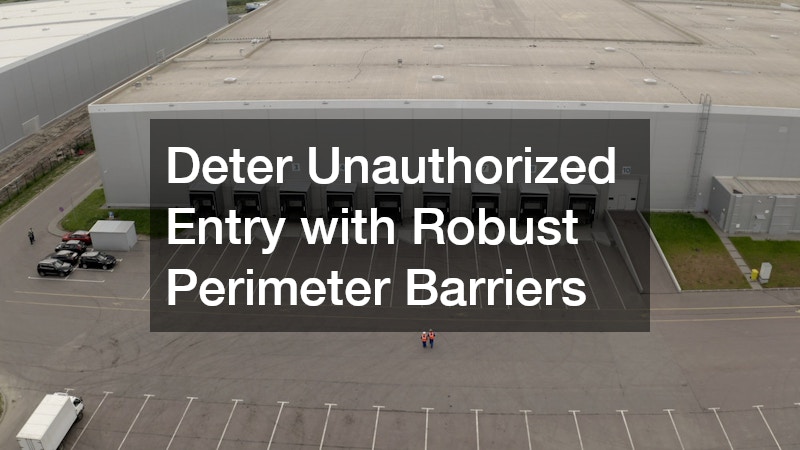
Physical security for a commercial property does not begin at the front door of the lobby; it begins at the extreme edge of your property line. Implementing the principles of Crime Prevention Through Environmental Design (CPTED) is crucial for deterring criminal activity before it ever reaches your valuable assets. A wide-open property with no defined boundaries practically invites trespassers, illegal dumping, loitering, and opportunistic vandalism. You must establish a clear, psychological, and physical barrier that signals to the public that the property is monitored and controlled.
The foundation of perimeter security is fencing. While chain-link fencing might be adequate for a temporary construction site, permanent commercial facilities require much more robust solutions. Partnering with an experienced commercial fence company allows you to design and install heavy-duty steel palisade, ornamental iron, or anti-climb rigid mesh fencing. These barriers serve as the ultimate visual deterrent, making it immediately clear that the property is fortified. Furthermore, professional installers can ensure that the fencing is deeply anchored into concrete footings, resisting attempts to ram, cut, or dig underneath the barrier.
Automate Vehicle Access Points for Better Traffic Flow
Securing the perimeter naturally creates bottlenecks where authorized personnel, tenants, and deliveries must enter the property. Managing these access points is a delicate balancing act between maintaining rigorous security and ensuring efficient logistical operations. If a delivery truck is delayed for thirty minutes trying to gain access to a warehouse, the tenant’s supply chain is disrupted. Conversely, if an entrance is left wide open, unauthorized vehicles can easily drive in, tailgate employees, and access sensitive areas of the property.
To optimize this flow, you must implement automated systems at every vehicle entry point. Proper commercial gate installation provides operational control without requiring a 24-hour physical guard presence at every driveway. Depending on the nature of your property, these heavy-duty sliding or swinging gates can be customized with various technologies to suit different traffic volumes and security needs.
Key considerations for automated vehicle access include:
-
Anti-Tailgating Technology: Utilizing high-speed gate motors and embedded ground loop sensors to ensure gates close rapidly behind an authorized vehicle, preventing a second, unauthorized car from slipping through.
-
RFID and License Plate Recognition: For high-volume employee parking lots, installing long-range RFID readers or license plate cameras allows authorized vehicles to pass through the gates without stopping to roll down windows or scan badges.
-
Delivery Call Boxes: Integrating cellular or hardwired intercoms at the gate, allowing delivery drivers to call a centralized security desk or a specific tenant for remote authorization and gate release.
-
Crash-Rated Barriers: For high-security facilities, such as data centers or government contractors, incorporating K-rated bollards or crash-rated gates designed to stop a heavy vehicle traveling at high speeds.
Ensure Uninterrupted Off-Grid Utilities for Heavy-Use Sites
While security keeps unauthorized elements out, utilities keep the authorized operations running. For standard suburban or downtown properties, managing utilities is often as simple as paying a municipal bill. However, if your commercial portfolio includes heavy agricultural facilities, rural manufacturing plants, or remote industrial parks, you face a completely different set of infrastructure challenges. These types of heavy-use sites often require massive volumes of water that make municipal rates financially crippling, or they are located in areas where municipal infrastructure simply does not reach.
In these scenarios, property owners must take direct control of their water infrastructure by tapping into subterranean aquifers. Maintaining this independent infrastructure is complex and highly specialized. You must utilize expert commercial water well services to ensure your system can handle the peak flow rates demanded by your tenants’ industrial processes. These experts manage the entire lifecycle of your water supply, from conducting deep hydrogeological surveys and securing extraction permits to performing 24-hour stress tests on the well pumps to certify gallons-per-minute yields. They also test the raw water for heavy metals and agricultural runoff, ensuring you install the correct surface filtration and softening systems to prevent scaling in your tenants’ expensive machinery.
Implement Tiered Master Key Systems for Interior Control
Once you have secured the perimeter and established robust utility infrastructure, your focus must shift inward to interior access control. A commercial building often houses multiple tenants, each with their own proprietary assets, sensitive data servers, and private offices. Even within a single-tenant building, not every employee should have access to every room. If the mechanical, electrical, and IT infrastructure rooms are left unlocked, a disgruntled employee or a curious visitor could cause a catastrophic shutdown of the entire facility.
Managing interior access requires a sophisticated approach to mechanical and electronic locks. You must hire certified commercial locksmiths to design and install a comprehensive, tiered access system. Unlike a standard residential lock, commercial hardware must balance high security with stringent fire and life-safety codes, ensuring that people can rapidly exit the building during an emergency while keeping intruders out.
A robust interior access strategy should feature:
-
Restricted Keyways: Utilizing patented key blanks that cannot be duplicated at a local hardware store. Only your authorized locksmith can cut these keys, and only upon receiving a signature from the designated property manager, entirely eliminating the risk of rogue key copies.
-
Master Key Hierarchies: Designing a mechanical key matrix where the property manager holds a Grand Master key that opens every door, maintenance staff hold Sub-Master keys for utility closets, and tenants hold Change keys that only operate their specific suites.
-
Electronic Access Control (EAC): Transitioning high-traffic and high-security doors to keycard, fob, or biometric readers. This allows management to instantly revoke access privileges for terminated employees and provides a digital audit trail of exactly who entered a room and when.
-
Panic Hardware and Exit Devices: Ensuring that all exterior doors, stairwell access points, and assembly areas are fitted with heavy-duty crash bars that allow for immediate egress during a fire, while remaining locked from the outside.
Standardize Daily Sanitation Routines to Boost Tenant Retention
The operational integrity of a building’s structure, utilities, and security hardware is what keeps it standing and secure, but the day-to-day cleanliness of the environment is what keeps it profitable. The psychological and financial impact of a pristine building cannot be overstated. When corporate clients, retail shoppers, or prospective tenants walk into a facility, their perception of the property management—and the businesses operating inside—is immediately influenced by the state of the common areas. If the lobby floors are dull, the elevators are smudged, the trash cans are overflowing, and the communal restrooms are unkempt, tenants will become highly dissatisfied, lease renewal rates will plummet, and you will be forced to offer deep rent concessions to fill vacancies.
Furthermore, sanitation is intrinsically linked to preventative maintenance. Dirt, grit, and grime act as abrasives that destroy expensive commercial carpets, wear down the finish on luxury vinyl tile, and corrode restroom fixtures. A building that is not cleaned daily ages at an accelerated rate, forcing you into early capital expenditures to replace ruined finishes. When hiring a commercial cleaner, you must mandate specific, high-level tasks in your contract, such as utilizing HEPA-filter vacuums to improve indoor air quality, employing hospital-grade disinfectants on all high-touch surfaces, and implementing a strict color-coded microfiber cloth system to prevent cross-contamination between restrooms and break areas.
Audit Service Contracts to Ensure Consistent Janitorial Quality
Managing the sanitation of a large-scale facility is not a task you can afford to leave to a casual or unverified crew. It requires a highly organized, systematic approach executed by a professional workforce. Unfortunately, the janitorial industry is notorious for high turnover and inconsistent service quality. A cleaning crew might perform excellently during the first month of a contract and then slowly begin to cut corners, skipping deep-cleaning tasks and rushing through the building.
To guarantee consistent, high-tier results, you must implement a rigorous vetting and auditing process for all local commercial cleaning companies bidding on your property. Never accept a vaguely worded contract. Your Service Level Agreement (SLA) must explicitly detail the frequency and standard of every single task, from daily day-porter duties to quarterly VCT floor strip-and-wax treatments.
When evaluating these janitorial partners, demand the following:
-
Proof of Insurance and Bonding: Verify they carry substantial general liability and workers’ compensation insurance, as cleaning staff operate after hours and frequently interact with expensive tenant equipment. A janitorial bond protects you against internal theft.
-
Documented Training Protocols: Ensure the company puts its staff through formal training on handling hazardous chemicals (OSHA Right-to-Know), bloodborne pathogens, and the specific operation of heavy floor scrubbers.
-
Quality Control Inspections: The best companies do not rely solely on the cleaners to check their own work. They should have dedicated, non-cleaning supervisors who conduct unannounced, randomized inspections of the property to ensure SLA compliance.
-
Digital Communication Logs: Implement a centralized software dashboard or a physical logbook where tenants can report specific spills or issues, and the night crew can document exactly when the problem was resolved, creating total accountability.
Build Your Master Roster Before Emergencies Strike
The true test of a commercial property owner is not how smoothly the building operates on a quiet Tuesday morning; it is how effectively the management team reacts when an unexpected crisis occurs on a holiday weekend. Whether it is a shattered glass storefront, a failing well pump, a compromised commercial roofing membrane, or a collapsed loading dock barrier, emergencies in commercial real estate are inevitable. The meticulous work of vetting, interviewing, and negotiating contracts with all the specialized vendors detailed in this guide is only valuable if that network is fully assembled and instantly accessible before disaster strikes.
The peace of mind that comes from having a trusted team already in place is immeasurable. It is the difference between a minor operational hiccup and a catastrophic financial loss. Do not let your hard work languish in disorganized files or scattered emails. Compile every critical contract, emergency 24/7 hotline, and dedicated account representative’s contact information into a centralized property management dashboard. Ensure that your on-site property managers, overnight security guards, and maintenance supervisors have immediate access to this consolidated master roster. By taking the time this week to audit your property’s vulnerabilities and secure your core vendor partnerships, you are actively protecting your asset, safeguarding your tenants, and ensuring the long-term profitability of your commercial real estate investment.