
The modern sports stadium, concert arena, or sweeping convention center is no longer just a static gathering place; it is a highly dynamic, technologically advanced engine of civic pride and commercial revenue. As public expectations change and entertainment technology advances, these massive facilities must undergo significant structural upgrades to remain competitive. Whether an iconic venue is expanding its seating bowl to accommodate thousands of additional fans, retrofitting an outdated roof structure with a multi-ton retractable system, or suspending massive, high-definition LED scoreboards directly over an active playing field, the stakes are incredibly high. These intense architectural overhauls must be executed within brutal, unforgiving deadlines, often squeezed tightly into a brief athletic off-season or a narrow gap in a concert booking calendar.
Coordinating heavy civil machinery, delicate engineering tolerances, and high-tonnage materials within the tight constraints of a dense urban footprint or an existing facility is a monumental challenge. A single logistical misstep or an uncoordinated construction sequence can quickly lead to multi-million-dollar cost overruns, structural failures, or missed athletic seasons, devastating a city’s tourism economy. To navigate these high-pressure variables, regional project management services have become the essential central nervous system of modern sports and entertainment developments. These specialized oversight firms synchronize every moving part of an active build, bridging the gap between far-off architectural concepts, local equipment suppliers, and the elite trade professionals executing dangerous work on the ground.
1. Navigating Pre-Construction Feasibility and Spatial Layouts
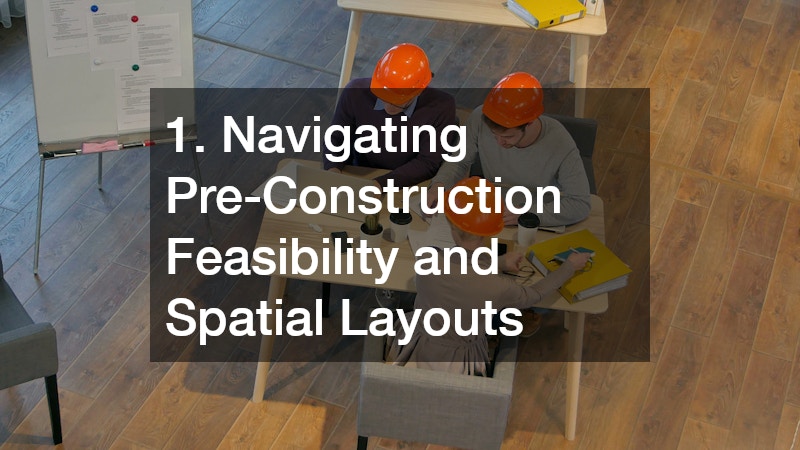
Long before heavy equipment arrives at a stadium perimeter, a massive amount of subterranean and structural data must be meticulously analyzed. A major venue enhancement is fundamentally different from a standard greenfield development because it requires a brand-new, heavy structure to tie into an existing, aging foundation. Project managers must first evaluate how the original building’s blueprints interact with the immense shifting loads of modern architectural expansions. Engineers conduct extensive soil compaction tests, sonic drillings, and load-bearing assessments to calculate whether the earth can support the high-tonnage expansions or if extensive subsurface foundation pinning is required.
Furthermore, a primary challenge of venue work in dense metropolitan centers is the total lack of available on-site space. A busy stadium parking lot is rarely large enough to host the massive material laydown yards, pre-assembly fields, and logistics corridors required for heavy structural steel trusses. Project management services must look outside the immediate venue gates to build a functional off-site logistics chain. They seek out and secure vast commercial land parcels near primary transit corridors that can serve as dedicated, secure staging grounds for massive steel elements to be safely stored, sorted, and prefabricated before being brought to the main arena footprint under police escort.
Securing these temporary staging footprints requires navigating complex local real estate markets, zoning rules, and corporate commercial financing networks. For projects located in the rapidly growing sports hubs of the American Southeast, project managers must coordinate closely with regional commercial lenders to structure short-term capital backing tailored specifically for heavy site acquisitions. Securing targeted land loans in North Carolina or adjacent booming markets allows the project to rapidly annex and secure nearby land footprints without draining the venue’s primary construction liquidity. This proactive real estate staging strategy ensures that when major deliveries arrive from national steel mills, the site is fully supported by an active, nearby logistics hub. By aggressively researching the local market for available industrial land for sale, project managers guarantee that the massive influx of heavy building components remains completely organized, secure, and ready for deployment without causing catastrophic gridlock at the main stadium gates.
2. Harmonizing Architectural Intent With Field Engineering
The jaw-dropping glass facades, undulating roofs, and cantilevered luxury suites that define modern entertainment architecture look spectacular on a rendering, but translating those sweeping geometric lines into safe, practical field construction requires a rare level of technical oversight. Architectural concepts frequently push structural materials to their absolute physical limits. When a venue demands an open-concept interior completely free of vertical support columns to maximize spectator sightlines, the resulting long-span roof structure exerts immense outward thrust on the exterior walls, requiring incredibly complex tensioning systems.
Regional project management services act as the critical interpreter between the design studio and the active construction field. They carefully review every architectural specification to identify hidden structural conflicts before they manifest as costly delays on the job site. This is especially vital when retrofitting historic or aging entertainment facilities with heavy modern upgrades, such as suspending heavy, industrial-grade climate control systems and massive sound arrays from roof structures that were originally engineered decades ago for much lighter loads.
To manage this intricate intersection of design and safety, project managers deploy a highly coordinated team of specialists:
- Constructability Analysts: These experts review design drawings to ensure that the heavy components specified can actually be physically transported down public roads and safely erected using available equipment.
- Building Code Specialists: They ensure that all structural alterations remain fully compliant with evolving municipal wind-load, seismic-safety, and fire-suppression regulations.
- Value-Engineering Advisors: These professionals look for ways to optimize material costs and fabrication speeds without compromising the overarching aesthetic vision or the primary safety tolerances of the structural design.
By utilizing comprehensive architectural project management services, a venue owner ensures that the artistic vision of the design team remains grounded in flawless structural reality. This continuous design oversight is paired with the field expertise of an experienced land development consultant, who closely monitors local environmental impact metrics, runoff patterns, and municipal grading variances. This double layer of protection ensures that when the facility alters its primary footprint or expands its outer walls, the surrounding land remains completely stable, protected, and legally compliant through every phase of the heavy structural transformation.
3. Orchestrating Earthmoving Operations in Tight Urban Footprints
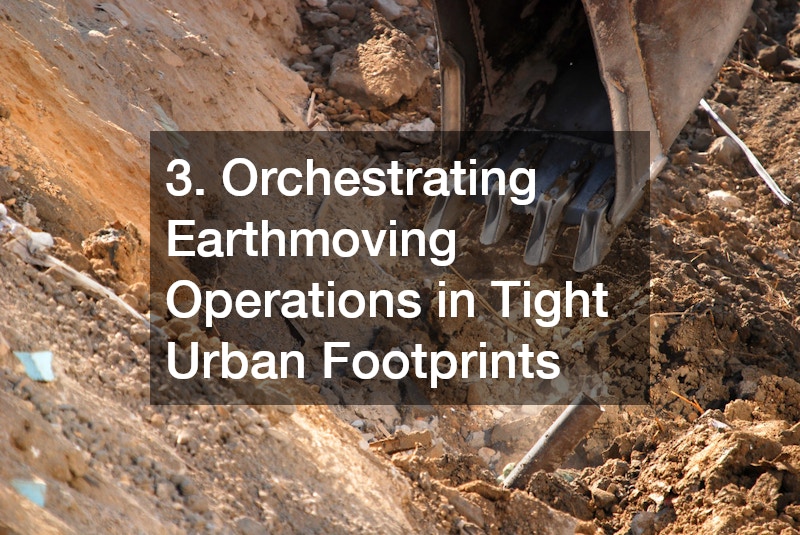
Once the design is locked and the staging areas are operational, the physical transformation begins with massive earthmoving and excavation work. Expanding a venue often requires digging deep subterranean basements to house advanced athlete training facilities, underground parking structures, or heavy mechanical rooms. Executing deep foundation digging immediately adjacent to an existing, occupied multi-story stadium structure is an incredibly high-risk operation that leaves absolutely zero margin for error.
The primary danger during this phase is the potential for soil shifting or wall collapses that could undermine the foundation of the active venue. Project management services must design a rigorous shoring and tie-back system to hold back millions of pounds of earth while excavation proceeds. Furthermore, the intense physical vibrations generated by heavy earthmoving machinery can travel through the soil, threatening delicate stadium electronics, fiber-optic broadcast systems, and high-voltage electrical connections. Project managers install a network of seismic sensors around the facility to monitor vibration levels in real time, pausing operations the moment thresholds are approached.
To execute this delicate subsurface work rapidly and safely, project managers build a highly agile equipment supply chain right within the immediate metropolitan area. Sourcing heavy tracking machinery from a dependable local excavator rental provider ensures that the site is continuously supplied with high-capacity excavators, hydraulic breakers, and trench shoring equipment tailored to the unique soil conditions of the region. This localized equipment sourcing strategy eliminates the long freight delays and massive shipping costs associated with hauling heavy machinery across state lines.
As these massive excavators carve out the new foundations, the project relies on an uninterrupted supply of heavy structural reinforcements to lock the deep trenches into position. By securing bulk shipments of high-grade local rebar products, project managers ensure that concrete crews can instantly assemble the dense steel reinforcing cages required to solidify the new foundation walls. This seamless coordination of regional machinery rentals and localized steel manufacturing prevents the excavation walls from sitting exposed to heavy rains or soil shifts, allowing the project to advance rapidly from underground digging to vertical structural assembly.
4. Managing Vertical Flight Paths and Complex Rigging Schemes

The most visually spectacular—and inherently dangerous—phase of any major venue enhancement is the vertical installation of heavy structural components. Hoisting a 200-ton steel roof truss hundreds of feet into the air or swinging a massive LED video board into position directly over an arena floor is an exercise in extreme precision engineering. At this scale, traditional construction lifting methods are entirely inadequate; the physics of high-altitude hoisting requires a completely customized approach for every single lift.
Before a single cable is tensioned, project management services oversee the creation of a comprehensive, engineered lift plan. This document details every physical variable of the lift, calculating changing centers of gravity as the load leaves the ground, the exact structural capacity of the crane at various boom angles, and the dynamic impact of sudden wind shear on large-surface-area components. For exceptionally wide or asymmetrical stadium elements, project managers design multi-point lifting configurations using custom-fabricated spreader bars to ensure the load remains perfectly balanced during its flight path, preventing catastrophic shifting that could snap a crane boom.
Managing these high-altitude maneuvers safely requires a flawless integration of heavy-lift machinery and expert technical support:
- Dynamic Load Monitoring: Every hoist utilizes electronic load cells that stream real-time weight and tension data to the engineering team, ensuring the lift remains safely within designed tolerances.
- Wind Velocity Management: An array of anemometers tracks wind speeds at the exact height of the lift, establishing strict weather thresholds that will instantly halt operations if a sudden storm gusts through the area.
- Precision Exclusion Zones: Project managers establish strict, multi-acre safety boundaries on the ground, completely clearing the area of non-essential personnel before a heavy load is hoisted into the air.
Executing these historic lifts demands access to the world’s largest mobile lifting machinery. Project management services handle the complex logistics of coordinating a multi-week crane rental, arranging for a fleet of transport trucks to deliver a massive all-terrain crawler crane to the site, and overseeing its multi-day assembly process. Because a multi-ton crane relies entirely on intense fluid pressure to safely hold and maneuver massive loads, any mechanical failure mid-lift can result in a catastrophic drop. To eliminate this risk, project managers keep dedicated, on-site hydraulic services permanently stationed within the lift zone. These specialized technicians closely monitor hydraulic lines, heavy-duty pumps, and massive lifting jacks, standing ready to troubleshoot pressure anomalies or repair seals instantly, ensuring absolute mechanical stability during the critical pick window.
5. Executing High-Tonnage Assembly and Perimeter Infrastructure Upgrades
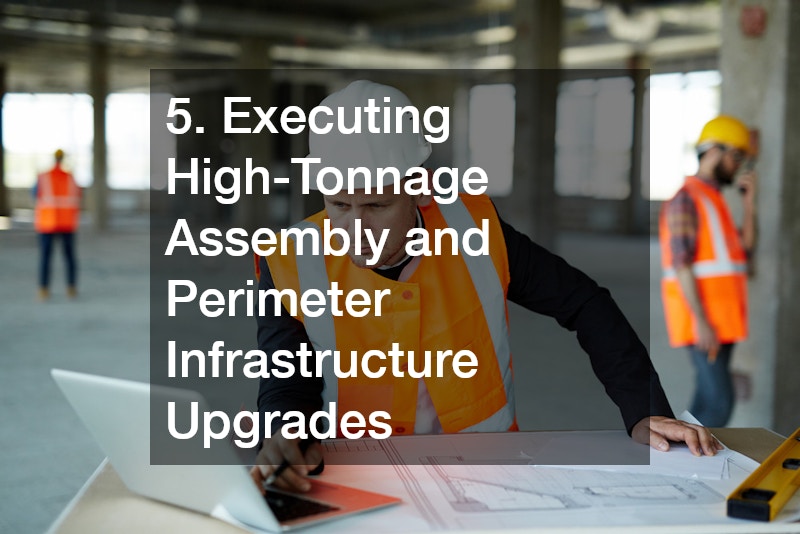
The final critical phase of a heavy venue transformation is the high-risk transition where control of a massive, suspended load shifts from the active mobile hoisting machinery to the permanent structural columns of the building. As a multi-ton roof truss or luxury suite module reaches its final destination hundreds of feet in the air, elite teams of ironworkers must secure the connections with millimeter precision. This requires an extraordinary level of physical coordination, as wind currents, thermal expansion from the sun, and the natural elasticity of heavy steel cause components to constantly move and shift.
Project management services orchestrate this high-altitude alignment by deploying specialized industrial rigging services. These elite master riggers use advanced pneumatic tuggers, heavy-duty coming-alongs, and high-tonnage hydraulic jacks to slowly guide the massive steel assemblies into their exact structural slots. Once aligned, ironworkers secure the joints using high-strength structural bolts or heavy multi-pass welds, continuously monitoring the connection points with ultrasonic testing equipment to guarantee that every weld is entirely free of internal flaws before the crane safely detaches from the load.
Once the primary heavy structural frame is safely locked into position and fully self-supporting, the project management team shifts its attention outward to overhaul the surrounding perimeter infrastructure. A massive stadium expansion is useless if the surrounding transit lanes, parking networks, and industrial loading zones cannot handle the intense influx of event traffic. Project managers coordinate a rapid, high-volume grading and resurfacing campaign across the entire facility footprint to prepare the property for public operation.
By contracting a highly rated, commercial-grade asphalt paving contractor, the management team can rapidly deploy a fleet of heavy paving machines, tandem rollers, and milling equipment to lay down thousands of tons of high-durability, heavy-traffic asphalt. This intensive paving effort creates seamless pedestrian walkways, expansive public parking arrays, and reinforced, heavy-duty loading docks specifically engineered to support the massive multi-axle broadcast and equipment trucks that service major modern entertainment events.
Conclusion
The successful execution of a heavy venue enhancement is a monumental masterclass in operational synchronization, structural engineering, and strategic project management. Transforming an active stadium or arena into a modern, high-revenue masterpiece requires far more than basic construction skills; it demands an absolute respect for the physical laws of mass, gravity, and structural tension. From the initial pre-construction soil analysis to the dangerous high-altitude rigging of multi-ton roof trusses, every single phase of the build must be engineered with absolute precision and managed with complete clarity.
By stepping into the center of this complex logistical web, regional project management services turn chaotic, high-risk construction environments into highly predictable, safe, and efficient operations. Their ability to carefully manage local equipment procurement, navigate complex commercial financing networks, and deploy elite industrial subcontractors ensures that massive architectural dreams are realized without compromising the safety of the workforce or the structural integrity of the facility. Ultimately, when regional project managers treat civil logistics, heavy rigging, and perimeter paving as a single, fully integrated ecosystem, they create spectacular entertainment landmarks that safely, efficiently, and proudly serve their communities for generations to come.


